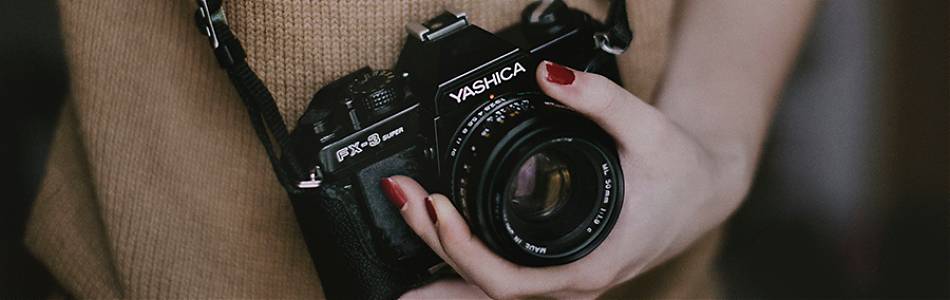
“All the gear – no idea” is probably one of the biggest insults you could give someone who is in the creative business. The idea that you have spent a lot of money on camera/technical kit but don’t know how to use it would obviously cause offence. However money can’t buy you class (quoting my mother here). It also can’t buy you the visual skills you need to know what makes a good photo – and in particular a photo that will grab attention and be used by the media. Great imagery will get you coverage, even if the story itself is weak, a poor image will stop a strong story from even getting a mention. So what do you need to consider?
1. Does it work for the publication?
Is the publication online or hard copy? Have a look at the sort of photos they like to use and the style.
By this I mean is it landscape or portrait, do they prefer people in the photo, would they like infographics instead, are they in the market for close ups or wide shots? What works best for them? Remember it is not about you! Journalists love it when you know their publication and can appreciate their image style. Some of the national papers include some really imaginative photos, often to illustrate challenging (visually) subjects. The person who thought of putting a celebrity, as a real-life fairy, on top of a Christmas tree to promote the opening of a shopping centre was inspired.
2. Does it tell the story (or is it boring)?
It is great to have something original, quirky and different, but remember, what works for advertising and what works for editorial are not the same. The media will not take blatant publicity shots. Instead, your photo has to tell a story as well as being engaging and professional in appearance. When I used to work on local newspapers, the standard photo was a “grip and grin” where two dignitaries would be photographed shaking hands. Another was the big cheque handover. Yes really.
Now readers are looking for something more genuine and relatable. Thanks to social platforms like Instagram, readers are more connected to their ‘creative side’ and are looking for creativity in the photos they see in their favourite publications. The ‘big-cheque’ photos are simply seen as cheap and tacky with no creative flair. Similarly the whole company photos of ten or more people, often taken from a high vantage point, are very dull. All you can see are a few blobs, no faces and it doesn’t tell a story. I would be very happy to never see such boring shots again!
3. Rules for Social media
Social media rules are slightly different from the needs of journalists. It is acceptable to use your own phone and having a mixture of professional, personal and created images can give your business the personality needed to engage on social media. If you would like to put a budget behind an image on social media, I would advise it is a professional image. However, day to day tweets or Instagram updates can be taken from a phone (with a reasonably good quality camera). This gives you the freedom to be more genuine in your posts as you can update in a more real-time form.
Again the secret is to look at the audience. The sort of pictures that work well on Twitter, for example, may be very different to those that work for LinkedIn. So know your audience, use the kit you have got and take an image worth looking at.
Also, knowing the exact size your image needs to be can save you time cropping and sacrificing important parts of the image.
4. Professional or DIY?
Don’t even think about using stock images. It doesn’t tell your story and the media doesn’t want a photo that has been used before. Contrary to popular belief, the standard license fee does not include reproducing in the media (there are usually limits on audience size).
Do you need to spend £4k on a camera? You know I am going to say no. It would be far better to spend the money on a good set of professional photographs. If you’re a large corporate or are aiming at a consumer audience, your imagery has to be professional.
Journalists will not accept low-res images (anything under 1MB), unless they are covering a news story and need real-time phone images from the public. If the journalist was to use that poorly taken photo from your mobile, with the lighting a mess and the cropping in a strange place, it will reflect badly on your business – trust me, the journalist is doing you a favour when they reject your image!
But don’t employ just any photographer. You need a professional who can demonstrate that they understand the media you’re aiming at. Look at their portfolio. Do the photos grab your attention? Do they show creative flair? Look at the lighting; is it consistent, any strange shadows? If you need the shots to go into a glossy consumer magazine you need them to be of the same standard, so find a photographer who has already had editorial work published in those same magazines.
In your budget you should also consider studio costs, stylist, models and a make-up artist. Sounds expensive? I promise you that it is well worth it. The way to save money is to think of your needs for the next six months and try to get all the images you need on the same day. It takes planning and detailed briefing but it can be done.
If your budget is really small, and your audience is other businesses, you can get away with using a decent office camera or even a good camera phone, just remember all the points above. Keep it creative, match the media you’re aiming at and, above all, keep it on high res. Then save up to get a professional!
By Gail Downey, Media Director of Onyx.
PrivSec Conferences will bring together leading speakers and experts from privacy and security to deliver compelling content via solo presentations, panel discussions, debates, roundtables and workshops.
For more information on upcoming events, visit the website.
comments powered by Disqus