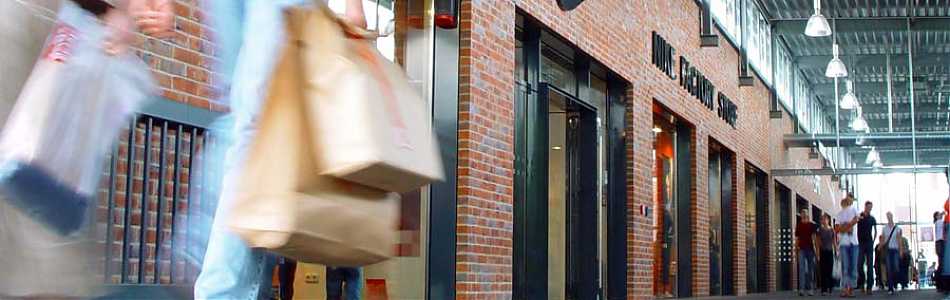
There’s been a lot of talk about iBeacons since they launched with iOS7 last summer, and much of the discussion has focused on how they benefit retailers and add to the in-store experience. At the beginning of this year, EMA Retail Research revealed the findings of a survey of 50 international retailers. It claimed that 55% already have their own smartphone apps, 87% are using digital strategies to increase revenues whilst four-fifths of the chains said they expect these strategies to increase footfall.
In essence, Bluetooth Low Energy (BLE) beacons are simply communication tools that interact with other devices by sending a signal over a Bluetooth Low Energy connection. They make it effortless and economical to connect with more than 300 million smartphones running Apple i0S7 or Android Jelly Bean 4.3 and enables businesses to set up transmitters which can alert nearby smartphones to their presence.
It may not sound like much, but combined with the right software, it opens up a range of opportunities and is set to transform the way businesses operate. With iBeacon set up, shops can send customers special offers for goods they are walking past, prepare pre-ordered items for pickup the minute someone comes through the door (is this the end of queueing?) or remind the customer about their shopping list, and so on.
Retail chain, Tesco, is an example of how the technology can be used to create the most comprehensive omni-channel experience across Tesco stores, Tesco.com, Tesco Bank, Tesco Mobile and even the recently acquired Giraffe. Earlier this week, the store announced that it is trialling iBeacons in its Chelmsford store as part of an experiment with a specific app called MyStore, but is holding off using beacons for marketing purposes until customers have grown accustomed to the technology. The MyStore concept involves an app which allows customers to create a shopping list at home and when in-store, click a button to tell them the precise location of the products. Its data is held in one place meaning any messages sent to customers, they will we have a pretty good idea of who those customers are. The Tesco shopper is pretty representative of the UK as a whole, so it’s imperative that the brand ensures they’re not sending the same message to everyone.
Nonetheless, the application of iBeacons shouldn’t be limited to retail – the tech also holds tremendous promise for changing the face of hospitality, banking, transportation, Pharma / healthcare, events (like sports and concerts), and even smart homes. Placed, for example, is a new application that shows you how BLE Beacons might benefit anyone at home, by tying the tech to specific apps and offering quick-launch capabilities. Essentially, this app could transform your iPhone into a contextually aware, automatic Swiss Army knife of mobile software that responds instantly to your environment – for example, sitting down in the living room to enjoy some Netflix on Apple TV could open your Remote app.
Also in December, Bar Kick, a table-football-themed Shoreditch coffee shop, became one of the first in Britain to implement the technology, giving away free copies of music magazine Dazed & Confused and football magazine When Saturday Comes, but only to patrons actually inside the cafe.
Yet - the rush to exploit BLE Beacon tech means we’re likely to see more bad execution than with just about any other technology or marketing opportunity that has come before it. ‘Ready-Fire-Aim’ seems to be the mantra being used by many marketers. Aside from Tesco, it does seems that the majority of top retailers are rushing to beacon-enable their store locations without first thinking about how this will actually make the store experience more valuable for their shoppers.
The power to ‘connect’ to a beacon is entirely in the hands of the consumer and because location-based marketing requires a number of steps carried out by the consumer it’s critical that consumers become au fait with iBeacons as they are with Wi-Fi and see and experience the real value, or else they will simply reject the technology and prevent any future marketer from engaging with them via their mobile device. Getting it right means more than just deploying a few beacons throughout a location to trigger a one-size-fits-all discount offer when a shopper enters a brick and mortar location.
Taking on this technology should be treated like a marathon, not a sprint. Every user is different, with individual needs, attitudes, and beliefs that drive their decision to engage (or not) with a brand / product and eventually purchase. Marketers supporting virtually every industry are clamouring for the opportunity to reach the promised-land; delivery of data-driven, location-aware experiences that are personalised to the needs of each user, while providing the elusive link in our 360 degree analytical view of them.
By Sebastian Dreyfus, Managing Director of Europe, Rosetta.
PrivSec Conferences will bring together leading speakers and experts from privacy and security to deliver compelling content via solo presentations, panel discussions, debates, roundtables and workshops.
For more information on upcoming events, visit the website.
comments powered by Disqus