Fashion has translated well to the digital world, with more and more people opting for the convenience and speed of shopping for clothes (and shoes, and accessories) online. As discussed in our latest report, this growth in fashion ecommerce (265% between 2009 and 2014, according to the IMRG) is in large part due to real innovation on the part of fashion retailers – and a creative application of an oft-neglected asset, dynamic product data.
Google claims that fashion shoppers visit 2.9 different sites (11.4 site visits in total) to discover and purchase apparel items, with 76% of these shoppers relying on search. Half of searchers will use both brand and generic terms in their buying journey, presenting an opportunity for fashion marketers: Google Product Listing Ads, now with the option to add Merchant Promotions, can capture purchase intent when brand name is not included.
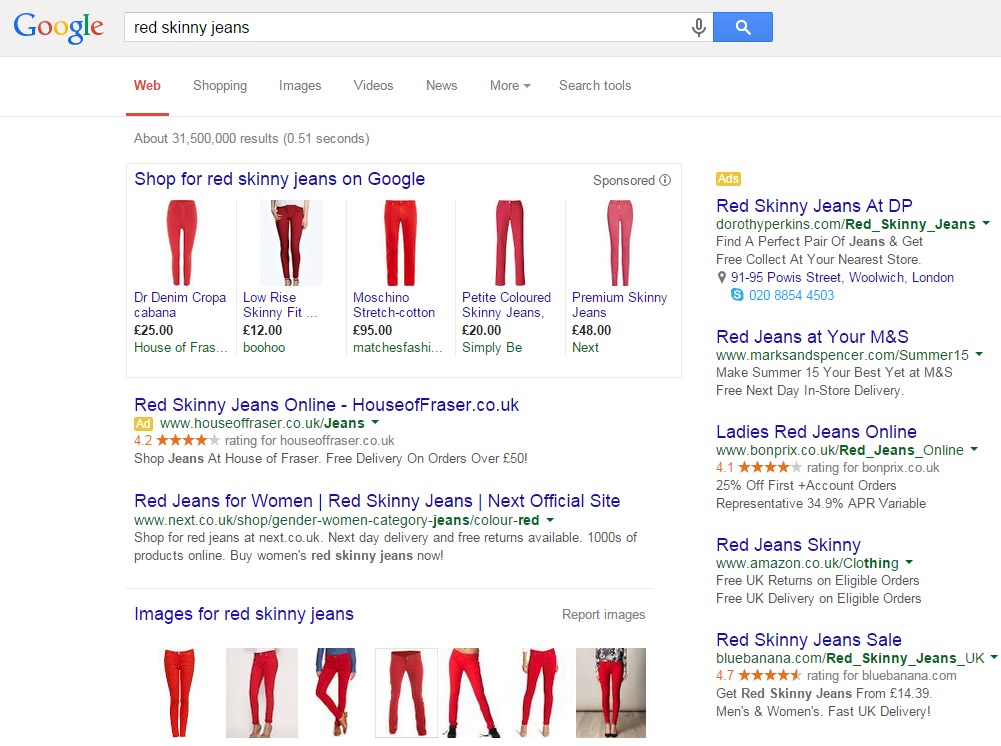
Facebook is following Google’s example with new ‘dynamic ads’: another way for savvy fashion marketers to present live and engaging product information automatically to a targeted audience.
With news that Facebook, as well as Twitter, Pinterest and other social platforms, may be introducing ‘buy’ buttons any day now, marketers should be prepared to distribute up-to-date, rich and accurate product content across multiple channels at once, maximising their opportunities to clinch a sale.
Retailers are also adding dynamic links to their own content, creating a seamless consumer journey.
As Matt Pollington, Senior Performance Strategist at MR PORTER, commented: “The average order value for someone who visits The Journal is higher than a non-reader. Therefore, we want to make it as easy as possible for consumers to go from content to product to basket, and achieve true content and commerce integration.”
The importance of mobile optimisation cannot be overstated. 80% of fashion brands now have a mobile site, compared to less than half in 2012. 67% of brands have m-commerce capabilities compared to just 55% in 2013, based on L2 data. And shoppers using multiple devices spend, on average, 50% more on fashion than those that only shop in-store and on PC, according to Kantar Worldpanel fashion.
At every digital touch-point, fashion marketers have a chance to either personalise content, show product features in a new or more exciting way, encourage click-through and sales, get to know their customer better… or do all of the above.
It makes sense, therefore, to have a quality product data feed to promote the right features to the right shoppers at the right time, and connect brand content and commerce – giving shoppers all the information and convenience they need to make the decision to purchase.
By Rob Durkin, CEO of FusePump.
PrivSec Conferences will bring together leading speakers and experts from privacy and security to deliver compelling content via solo presentations, panel discussions, debates, roundtables and workshops.
For more information on upcoming events, visit the website.
comments powered by Disqus