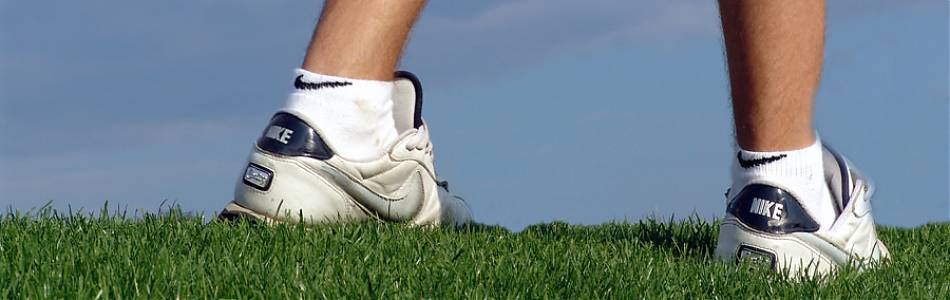
‘Just Do It’. It is one of the simplest, most recognisable slogans of all time - a line Nike has used for years. And the tick is synonymous too. Nike’s consistency ensures its brand profitability from the outset. It feeds into everything the brand does and while it can be difficult to maintain a consistent tone, the opportunities for forming close relationships with consumers outweigh any problems. But consistency is not just important when it comes to sustaining slogans and logos. It can be as intricate as maintaining the quality of image reproduction of products across all communication channels. Just how closely do brands like Nike pay attention to whether the colour of their products are portrayed online, compared to how they appear in-store? Because differences can not only damage brand experience, they can undermine hard-won consistency.
When it comes to ecommerce, keeping the imagery of products online consistent with what they really look like in-store is crucial. Brands often fall short in the quality of the image reproduction of their products across different communications, from press ads and direct mail through to ecommerce websites. Either way, if you don’t ensure that imagery is high quality and realistic, you can risk negative impact on campaign response and sales as well as overheads in handling returns. Sales are directly affected by the mixed message communicated by inconsistent imagery. If online imagery is not optimised to counter the effects of variable browsers and monitors, then the consumer is potentially faced with confusion when shopping using multiple media simultaneously. In fact, research has shown that print and online material work hand-in-hand as part of a consumers buying decision.
We have estimated that without applying colour management and image optimisation, a consumer has as low as a 20% likelihood of viewing images within tolerance of their true colour target. There’s more to colour management than calibrated monitors though. Strictly regulated ambient lighting, the latest available hardware and leading edge colour technology tackle the essence of image consistency.
And with the rise of internet shopping, the value of creative imaging online is only going to increase exponentially. Last month, John Lewis reported that 40 per cent of digital traffic to John Lewis was through mobile devices, while around 30 per cent of all sales were generated online. Precise colour, sharpness and texture should all be considered to make John Lewis’ products online look good enough to eat, wear or use, and help to drive faster online sales.
Effective and accurate image reproduction to match real life colouration and experience not only significantly reduces customer returns, but also has a great impact on the final quality of brand communication and its success. If the consumer is able to see the colour and fine details of a product portrayed accurately, replicating as far as possible a real life product interaction in store, they are more likely to make the purchase. Also, equally importantly, they are more likely to be happy with what they’ve bought and will trust the brand, prompting future purchases too.
Essentially, when looking at creativity, brands need to not only think about the imagery they use, and how products are displayed, but how it reproduces online and the tools they can use to maximise the impact of each image. There are some subject matters where even the world’s best photographers need to rely on image enhancement to achieve their desired result. Take metallic jewellery for example, with its reflective metallic surfaces and light refracting diamonds. It can be difficult to truly deliver the detail and sparkle that the subject matter craves. But through conducting assessments of balance and cast, as well as resolution and sharpness, detail and contrast can be maximised.
Strong consistency is the core of any decent marketing strategy: it enables differentiation against the competition and allows people to recognise products and services easily. But the devil is in the detail and creating continuity even online maintains brand desirability.
By Ian Miles, Sales Director at Schawk.
PrivSec Conferences will bring together leading speakers and experts from privacy and security to deliver compelling content via solo presentations, panel discussions, debates, roundtables and workshops.
For more information on upcoming events, visit the website.
comments powered by Disqus