
Content marketing can be dull...
I mean, really dull.
In a world of “me-too” marketing, there’s a lot of content marketing out there that is:
- Undifferentiated
- Copy-cat
- Stuffy
- Boring
Frankly, there’s a lot of content out there that doesn’t stand out, let alone do a good job to interest, engage and convert your visitors into leads.
Repeat after me: “I’m (your name), and I’m a boring content marketer.”
You need to stand out...
All digital marketers operate with limited budgets, so we all need to make sure that what we do makes an impact…
Other than having a larger budget than your competitor, being innovative and imaginative about how you use content can help you stand out from the crowd.
HTML5 web games are now being used by businesses to help them stand out and convert players into leads and customers.
Use HTML5 web games
Games are fun....
For a mobile audience, games are perfect. Games make up a significant percentage of mobile phone usage, so using them as an advertising tool makes sense.
HTML5 web games are also perfect for audiences across digital platforms - mobile, tablet, laptop and desktop - resizing for different screen sizes. This makes them shareable between friends and cost-effective - as one game adapts to different digital channels.
HTML5 games are a rich-media format that can be used as playable ads, embedded into apps, websites and Facebook.
Games draw you in, engage you, get you excited…
Then they can ask you to enter a competition, click a link or download a coupon. This approach can increase conversion and click-through rates.
Games can also incorporate your brand message and images. It can convey brand messages - such as speed, protection, special capabilities - and promote product ranges.
Can my industry/company use games?
Games obviously work well with young consumer markets. However, games are also successfully being deployed by B2B companies at exhibitions, financial services, hardware manufacturers, retailers, IT and telecoms businesses.
Even if you don’t think games would be suitable, remember this: your target market likes having fun.
As the average age of a gamer is now in their mid-thirties, the use of games in marketing will only increase in the future.
So, the question is, how can games be used as part of your content marketing strategy?
Well, I’m going to give you 4 examples and provide a takeaway, from each, that’s not specific to the size or industry of the business. I’ll also provide the results from each. You’ll find something that relates to your business and see how games can be used as your content and digital marketing.
1. Pixels Movie increased click-throughs

Pixels is a film by Sony Pictures. Universal Pictures International wanted to promote the Pixels movie with a branded game to win Pixels movie tickets and merchandise.
Using a simple “spot the difference” game, 92% of players replayed the game, for an average of 30 times per person. 34% of unique users clicked-through to visit the Pixels movie website in South Korea.
Takeaway: a simple game can engage an audience and convert into clicks.
2. N11.com increased sales
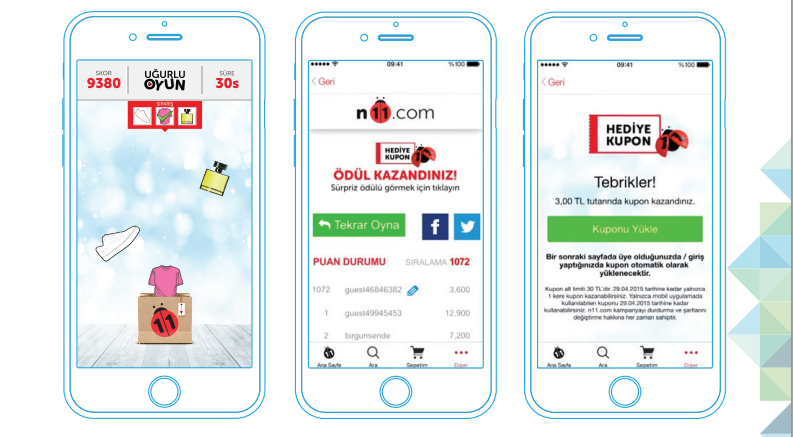
N11.com is a popular online shopping portal. They used game content to engage and entertain users on their app. N11 also used the game as part of their customer loyalty program and to promote the latest products.
The game got players to catch promotional products in their shopping bag to receive points and a discount coupon. 74% of unique users downloaded the discount coupon after engaging with the mini game.
Takeaway: games can be used to add fun to delivering a coupon and build loyalty.
3. Krispy Kreme increased awareness
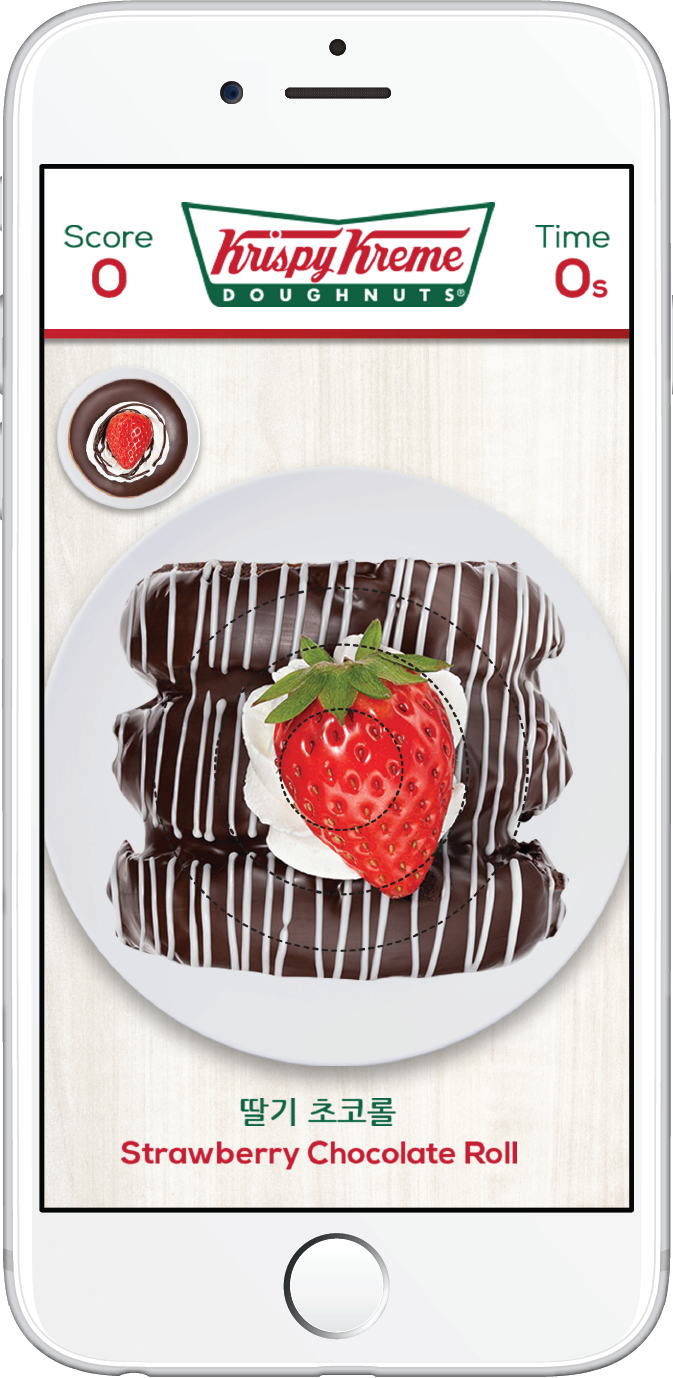
Krispy Kreme Doughnuts wanted to promote their featured ‘Real Strawberries’ doughnut range with a branded game.
In the game players could twist a picture to reveal strawberry doughnuts. The game generated more Facebook activity and 36.4% of game players shared the game with their friends.
Takeaway: game players will happily share the game with their friends on social media.
4. KFC converted online fans into store visits
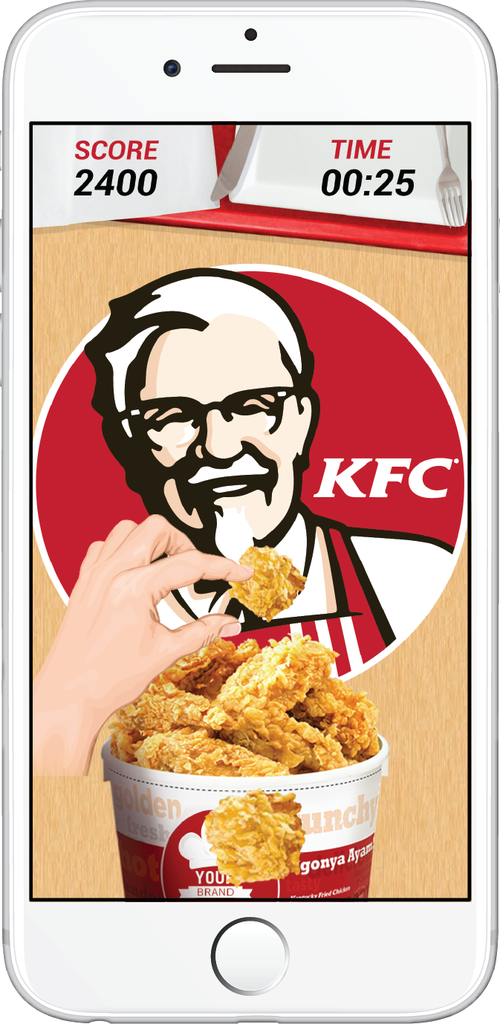
KFC Indonesia held an event in stores - the ‘Hot Bucket Challenge’. KFC wanted a mobile game to generate buzz and awareness of the actual event happening in-store.
The game involved eating chicken and got customers to visit the store and take part. In addition, 36% of players provided their contact details to KFC after playing the game.
Takeaway: games can drive awareness of a promotion and drive players into stores.
You don’t need to be big, or have lots of money to use games as content and adverts. Lots of businesses are now taking advantage of games to boost engagement and conversions in their marketing.
By David Halliwell,Online Marketing Manager at Branded Mini-Games.
PrivSec Conferences will bring together leading speakers and experts from privacy and security to deliver compelling content via solo presentations, panel discussions, debates, roundtables and workshops.
For more information on upcoming events, visit the website.
comments powered by Disqus