
In terms of product names, creative, copy, and design, brands still occasionally get something badly wrong. With the ever-growing dominance of digital, a slip-up – especially a comic or offensive slip-up – will go viral at a speed marketers would envy in other circumstances.
To work on an international level, campaigns need to accommodate wide diversity, regulatory, cultural and linguistic.
Here are some of the lesser-known classics: Campaigns that misfired due to a failure to cross-check against meanings in other languages or cultural sensitivities in other countries
I'm lovin’ it’ in Egypt (Source: Our man in Dubai)
Problems can arise even within a single language used across multiple countries.
Adapted into Arabic for use across the Middle East with no tanween, in the rest of the region MacDonalds’ endline was received as intended: ‘I’m lovin’ it’.

In Egypt, however, Arabic speakers read it as ‘I’m a bitch’, in its slang sense of a female who is malicious, selfish and generally unpleasant. (A small mercy, perhaps, given the other uses of ‘bitch’ in English slang.)
As you might expect, the response was a mix of hilarity, bewilderment and outrage, ensuring it went viral.
To deliver the intended meaning in Egypt meant changing just one letter.
A bit of a mistery (Source)
Play it safe and check whether your product name means anything, or even sounds similar to anything, in the local languages of your target markets.
Take the apparently inoffensive ‘mist’ for example; in English, a thin fog or a layer of liquid produced by very small droplets of water, evocative of gentle early-morning landscapes.
Alas, the same word means ‘manure’ in German. Several companies have struggled to launch products in Germany as a result, including whiskey liqueur ‘Irish Mist’ and Clairol’s ‘Mist Stick’ curling iron. Rolls Royce’s ‘Silver Mist’ model was swiftly and wisely renamed ‘Silver Shadow’, pre-empting another case of the mist hitting the fan.
A bummer for Sharwoods (Source)
Having launched its new range of Bundh sauces and spent around £6 million on a TV campaign, Sharwoods were informed to their dismay that ‘bundh’ in fact means 'arse' in Punjabi. Clearly not a great culinary association… It’s worth checking for unintended meanings in languages spoken by ethnic minorities in your home market too, especially if they are part of your target audience.
A little too fresh in Mexico (Source)
The launch in Mexico of soft drink ‘Fresca’ (‘Fresh’ in the feminine form) was a memorable event, given the product name is local slang for ‘lesbian’.
Too late to save the situation once your product is out there on the shelf! Grin and bear it, perhaps; and check ahead next time.
London 2012
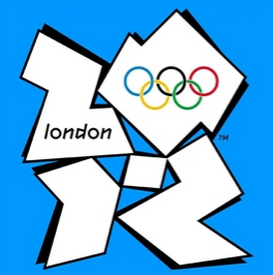
Logos have equal potential to cause unintended offence. Amidst the heady times of the run-up to the 2012 Olympics, the London 2012 logo faced fierce and prolonged criticism.
Iran suggested it spelt out the word ‘Zion’ and threatened to boycott the games. Others likened it to anything from a swastika to a sexual act by Lisa Simpson (Source).
Lesson learnt? Stare at your own designs long enough and you lose the ability to perceive them as others might. An element you intend as ‘dynamic’, a key colour that to you says ‘hope’, can be received very differently by people from other cultures. So cross-check logo designs too.
By Kate Robinson, Transcreation and Insight Team Leader at Hogarth Worldwide.
PrivSec Conferences will bring together leading speakers and experts from privacy and security to deliver compelling content via solo presentations, panel discussions, debates, roundtables and workshops.
For more information on upcoming events, visit the website.
comments powered by Disqus