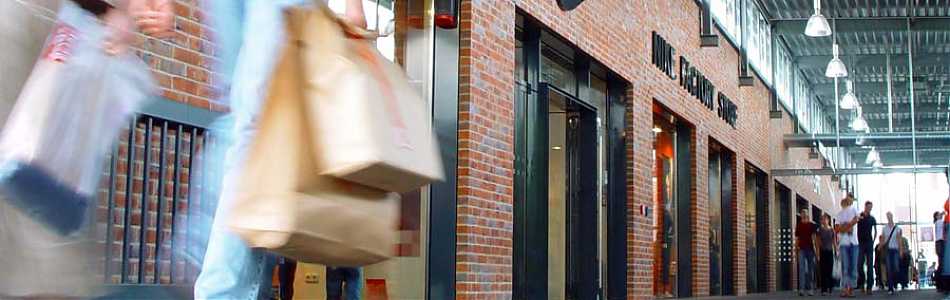
The anonymous shopping experience has had its day: on the back of the success of digital personalisation, retailers are turning their attention to the in-store experience, recognising both the rise in customer expectation and the differentiation personal service can offer.
But what does that experience look like in 2016? From individually created recipe ideas and ingredients lists in supermarkets to intuitive, customer inspired fashion recommendations, retailers have the chance to transform the in-store engagement.
As the quality of the in-store experience becomes a critical aspect of brand value, Craig Sears-Black, Managing Director at Manhattan Associates, explains the importance of empowering store assistants with actionable customer insight to bring back the personalised shopping model of the past.
In-Store Experience
Personal shopping is nothing new - it was how everybody shopped fifty years ago. Indeed, customers embracing the increasingly personal online experience clearly demonstrates a strong demand to move away from the anonymous shopping experience that has dominated past decades.
This is not just about luxury brands – a personal experience can even apply in that most impersonal of retail environments, the supermarket.
Consider a customer looking for ideas for supper, armed with information about both favourite buys and food allergies. The sales assistant can browse with the consumer, iPad in hand and recommend recipes, provide a list of ingredients, including some on offer, and point the customer directly towards the appropriate aisles.
Suddenly that frustrating after work search for inspiration that, more often than not, ends in another jar of pesto and pasta, becomes a far more enjoyable experience – and one that, quite possibly, results in a higher than average spend and a returning customer. Win-win for both customer and retailer.
The need to refocus on the in-store experience is pressing. Customers’ expectations of each brand have been transformed by a highly personalised online experience that bears no resemblance to the anonymous in-store experience.
Retailers are also driving customers back into shops, building on multi-channel strategies to offer reserve & collect and click & collect services both in response to customer demand and in recognition of the powerful opportunity to up-sell and cross-sell in-store.
Ensuring every part of the in-store experience positive one – from returning or collecting a product bought online, to settling a payment with a single swipe of the credit card – is an essential to success and achieving return on investment on these new multi-channel strategies.
Quality Experience
Retailers need to recognise that a successful one-size-fits-all approach does not exist. What works for a luxury goods provider with big margins and a small, select customer base will not work for a busy supermarket. And key to achieving the right model is a recognition of just what the customer wants and, perhaps, an awareness of how bad in-store experiences to date have affected customer attitudes.
Even if customers are not looking for a personal service, they deserve a better overall experience. From replacing queues by using shop floor tablet-based payment methods to creating seamless, single transaction processes for payments, exchanges, returns and the use of gift vouchers, the traditional frictions that occur within the store can and should be removed.
Customer Demand
The contrast is stark: today, most customers rush in the opposite direction at the sight of an approaching sales assistant, for fear of an interaction that's brief, awkward and unhelpful. Yet there is clear demand for a personal, better experience. If retailers are to turn this model around, they need to understand what customers want from that in-store experience – or rather what each individual customer wants at that specific visit.
This is, clearly, a challenge. While organisations capture and track every single interaction online and can use that information to personalise every experience, the same does not apply in-store. Some customers will not want a personal shopping experience; others will want one occasionally; some all the time. The model, therefore, has to be customer led. Retailers cannot encourage sales assistants to pounce on every customer entering the store, however personal the experience may be, but instead must make it attractive for customers to identify themselves to sales assistants.
Cultural Change
Given this huge diversity in customer expectations based on any number of factors, from retail environment to time of shop, it is essential for retailers to really consider the way in which personal shopping experiences should be delivered. Providing sales staff with tools that present instant visibility of customer preferences and stock availability is essential, but that's just the beginning. Do those people delivering the in-store experience have the right skills? How can the experience reflect the culture of the organisation and deliver consistent, multi-channel brand value?
Empowering sales assistants to provide this personal shopping service creates sales advisors – and not all existing assistants will have the skills to adapt to that role. In addition to identifying and training the right staff, it is important that the service offered also reflects and reinforces the brand value and that staff are incentivised in a way that supports the increasingly multi-channel nature of retail.
Rediscovering Retail
Customer expectations have changed radically over the past decade – even the essentially isolated, impersonal online experience has become a powerful, engaging and increasingly personal event.
That personalised, relevant and timely experience should now be delivered in-store. The anonymous in-store shopping experience may have been the norm for the past five decades, but the tide is turning and retailers need urgently to reconsider the quality, relevance and personalisation of how they deal with customers.
By Craig Sears-Black, Managing Director, Manhattan Associates
PrivSec Conferences will bring together leading speakers and experts from privacy and security to deliver compelling content via solo presentations, panel discussions, debates, roundtables and workshops.
For more information on upcoming events, visit the website.
comments powered by Disqus