When I was younger, before the internet took hold, I remember my Dad mistakenly driving a screw through a water pipe in the bathroom while doing some DIY. Calamity ensued with water spraying everywhere.
“Get the plumber,” my Dad shouted downstairs, as he tried to plug the hole in the pipe with his thumb.
“Which plumber?” I replied.
“Try Dave up the road,” my Dad said in vain. “I’ve seen him around town and I’ve only heard good things about him from friends.”
In the pre-internet era, that was about the best recommendation you could get. It would still be pretty solid today, in fact.
Today, while reviews have largely migrated online, one thing remains true: trust is vital in every transaction and purchase decision.
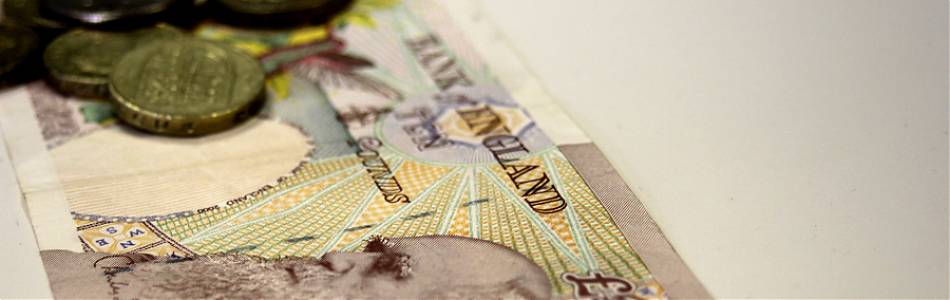
Trust is the most valuable currency today - and it’s the only thing that everyone can be truly rich in.
The value of trust will always increase
As internet usage grows - at least three billion people will be connected by the end of 2015, and four billion by 2019 - opinions travel faster and with more power.
With this change it will “lead to the inevitable revolution of businesses acting in the genuine interest of their customers,” in the words of Don Peppers, one of the top 50 business brains in the world.
A business that retreats behind its shield is looked upon cynically. A business who attempts to fool its customers will be found out (just look trust and the recent Volkswagen scandal). But a business that acts in good faith, pleases customers, and is happy to operate closely with its customers and their feedback, is bound to win.
When my Dad was failing to stop the spraying water with his thumb, trust motivated his call for Dave the plumber - a guy he barely knew.
Today having trust is even more necessary: a recent survey showed 92% of consumers read online reviews, and that 61% of customers who made a purchase read a review beforehand.
Even in those two statistics, reviews are pretty trusted. Throw in this statistic from the US which claims that 91% of customers who say that reviews are more important than a salesperson, and reviews really are the new barometer of trust.
Trust builds a successful brand
If we define ‘trust’ as a belief in an expected outcome of an experience, we can see from that already just how important reputation is as a core driver of engagement.
The perfect scenario is that your brand promise mirrors your reputation - because your mission and ability to deliver are aligned. This results in trust.
Today a company is not successful because of the way it defines itself; it succeeds because of what others say about the company.
Star rating is the number one influencer when consumers are considering purchasing from a company. With this, it’s also important to aim for that excellent rating you desire - just 14% of consumers would consider using a business with a one or two star rating.
If you’re showing you can be trusted, you can bring in new and repeat business like never before thanks to your brand advocates and their reviews. After all, your brand advocates are bringing in most of the money: the probability of selling to an engaged customer is 60-70%, whereas a a new prospect is just 5-20%.
So how can you ensure trust powers you to success?
The first step is simple, but vital: by reaching out to your customers.
But how can you do that? What should you say? How should you react to feedback?
Well we’ve created a handy eGuide to explain how you can utilise customer feedback to ensure your trusted reputation is impactful right away.
The result? A successful, trusted future in an age of transparency.
Click here to download the free eGuide ‘Why your brand future is trust powered’.
By Ashley Scrace, Trustpilot.
PrivSec Conferences will bring together leading speakers and experts from privacy and security to deliver compelling content via solo presentations, panel discussions, debates, roundtables and workshops.
For more information on upcoming events, visit the website.
comments powered by Disqus