The Paralympic Games in Rio might have been a glowing success for Great Britain. But less so for the events top ten sponsors. They failed. Miserably.
Last week, I wrote about comments from Coca Cola's outgoing marketing director, Bobby Britain, who said that sponsorship of major sporting events puts brands at a competitive disadvantage.
The thinking was simple, competitors know their rivals are a sponsor so double their efforts on campaigns around the event.
But what if you shoot yourself in the foot? According to PR firm Waggener Edstrom Communications [WE], the Paralympics top ten sponsors generated just 5,116 mentions across news, blogs, forums and social media. Compare that with the Olympics, where the same brands garnered over 76,000 mentions, and you see just how poorly the companies performed in engaging their audience. Yes, the Paralympics is a week shorter than the Olympics and is generally less popular. But that is still a huge gap.
Atos generated more mentions than any of the other sponsors with 1,658 but scored 71 points on WE's index, which measures scalability, relevance, social media response time, engagement, originality, personalisation and sentiment.
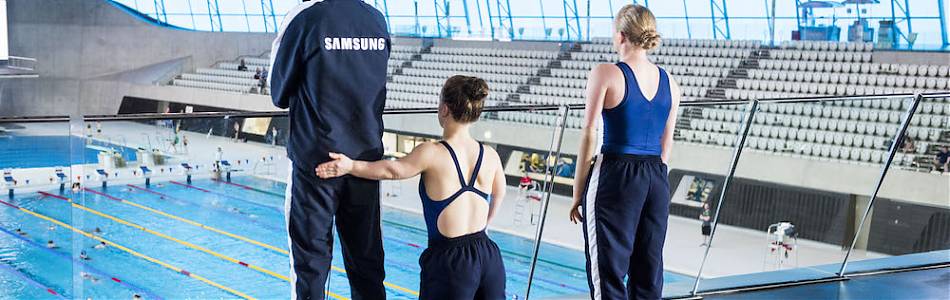
Samsung, with its School of Rio adverts starring Jack Whitehall and Paralympic stars including Ellie Simmonds and Johnny Peacock, gained the second highest numbers of mentions, but ranked highest with an index score of 114.
Gareth Davies, head of digital and insight at WE, said: "Overall the Paralympics had a very positive start for brands, but as the weeks went by efforts became sporadic, diluted and tired for the likes of Atos, General Electric, Procter & Gamble, BP and Omega."
Omgea faired worst on both measurements, gaining just 64 global mentions and an index score of 50.
“Samsung, Nissan, Visa and Coca-Cola all did well at maintaining regular and a clearly aligned brand narrative throughout the event, but the age-old question of ‘Is there budget to do this justice?’ does come to mind when looking at brand communication efforts post-Paralympics," Gareth added.
“Samsung and Nissan were the most consistent with their messages. Samsung’s School of Rio ad series was highly favoured by audiences for the authenticity of each ad. Nissan’s #DoItForUs hashtag and Team GB prank videos, which were reworked for the Paralympics, remained crowd pleasers.”
But Gareth believes the brands whose performance was sub-par didn't do enough to make clear their interest and dedication to the Paralympics - it seemed more of an after thought following the Olympics.
He said: “Brands like BP and Atos didn’t seem to plan ahead for the backlash they received from audience members regarding their interest for sponsoring the Paralympics. Both brands kicked off with a wide array of content, but clearly communicating their interest in sponsoring the games was left to question.
“Visa did well in keeping a regular flow of athlete congratulatory posts, but the decision to run a competition to win an Olympic outfit from an Olympic athlete felt somewhat random and insensitive – by focusing a competition on an able-bodied athlete.”
By Jonthan Davies, editor, Digital Marketing Magazine
Want to keep up with the latest ideas in digital marketing? Free conference and exhibition Integrated Live is the place to be.
PrivSec Conferences will bring together leading speakers and experts from privacy and security to deliver compelling content via solo presentations, panel discussions, debates, roundtables and workshops.
For more information on upcoming events, visit the website.
comments powered by Disqus