Utilising social media to gain coverage is becoming an increasingly popular tactic for brands. Although creating a specific social media campaign is a popular way of achieving that goal, it is by no means the only way.
Increasingly, brands are focusing on the creation of engaging social content and are interacting with their followers, rather than just focusing on pushing their campaigns. The following three brands are great examples of how a well-managed social media presence can get the public (and the media) talking about you, gaining powerful media coverage in the process.
Innocent
What they did
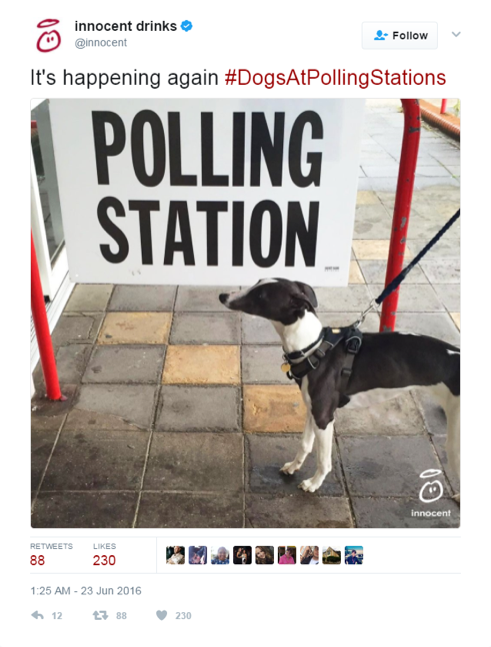
Innocent has strong and consistent branding – something that has translated well on social media, and with huge success. The company consistently shares content that is related to national awareness days, events and trending topics, and it isn’t afraid of being a bit cheeky. After all, who could get mad at such an innocent brand for poking fun at something like Eurovision?
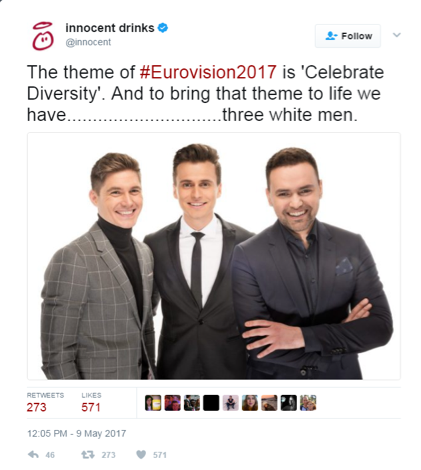
Innocent’s relaxed approach to social media, and its lack of restrictive guidelines, are what led to the coining of the #DogsAtPollingStations tag on Twitter, which took off like wildfire and was covered by national press during the 2015 general election.
The hashtag also made a comeback during the Brexit vote, and Innocent has brought it back ahead of the June snap general election. The tag, which blew up in a way no-one expected, was started by Innocent’s communities manager, Helena Langdon, who saw a dog outside her polling station.
Why it worked
As a brand, Innocent is known for being a bit whacky and tongue-in-cheek, so you would expect nothing less from its social media activity. The success of #DogsAtPollingStations fits in perfectly with the company’s social media content, which often puts emphasis on sharing entertaining content, and the brand regularly leverages trending news items in order to do this.
Top tip
If your brand has no news to share, then make some! #DogsAtPollingStations has nothing to do with Innocent, so it goes to prove that as long as you have consistent tone-of-voice and brand personality on Twitter, simply providing your followers with entertaining content can gain you as much coverage (if not more) than product specific campaigns or self-promotional posts can.
Tesco
What they did
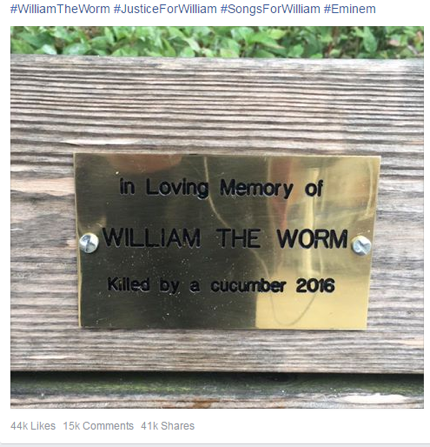
Reputation-wise, Tesco has had a difficult few years. Thankfully, the supermarket has finally given us something more positive to associate it with. Other supermarkets have tried to be witty with their customer service, but nothing will come close to the success and hilarity of the William the Worm saga.
Why it worked
No stranger to negative press, Tesco showed that shying away from negative customer comments was not the way forward. The company turned a bad experience into one of the most successful social media interactions of the year, and people couldn’t get enough of it. William had a plaque erected, plus poems and a rap written in his name, and the press loved it just as much as the public did.
Top tip
You can’t control what people say about your brand on social media, but you can control the narrative. Thanks to Tesco’s ingenious response, the headlines were all focused on the hilarious content William the Worm kept providing, rather than the fact that someone found a worm packaged in with their cucumber.
Deadpool
What they did
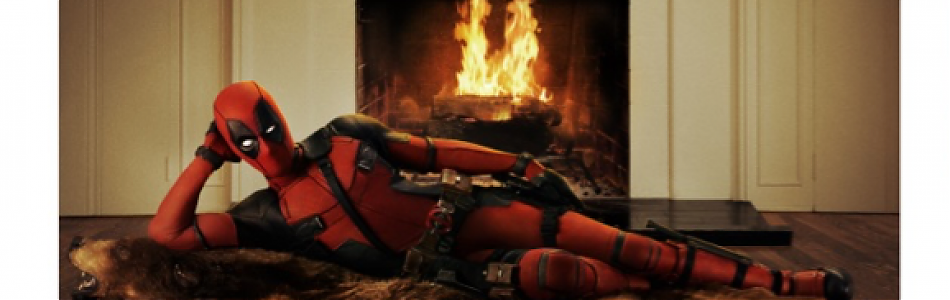
Promoting a 15-certified film was never going to be easy, and in order for it to be successful, the marketing was always going to have to be just as outrageous as Deadpool himself. From day one, the Deadpool social media accounts made it clear that the content was going to be rude, crude, and definitely not family-friendly.
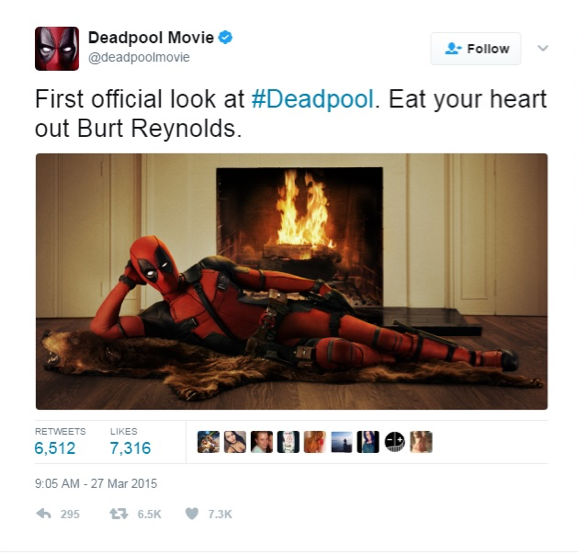
Rather than focusing its efforts on simply promoting the movie, the team behind the Deadpool social media accounts structured all posts to be in the character’s tone-of-voice, which allowed the promoters to get away with some pretty obscene content. Most of it is not fit for sharing, but if you’re really curious, you can still find it on the relevant channels.
Why it worked
Realistically, the biggest factor in the success of Deadpool’s social media marketing was that the studio greenlit the whole campaign and, by the looks of it, gave the marketing team free rein to be as outrageous as it wanted – as long as it made sense for the character. The team behind Deadpool knew its audience well, and how to appeal to it; it’s a tactic that paid off, because Deadpool was not a well-known Marvel character prior to the movie’s marketing.
Top tip
Don’t try an appeal to everyone. Know your target audience and focus on creating content that they will find entertaining and relevant. Taking a risk paid off in a big way for the Deadpool brand, and it shows that gaining coverage on social media doesn’t necessarily mean playing by the same rules as everyone else.
Getting your audience talking
A common theme, for all three brands, was that they shied away from the formality and corporate nature of some brand social media accounts. Instead, they focused on creating a clear brand identity that consumers began to interact with, which resulted in the brands portraying themselves as individuals rather than as companies.
This clear brand identity has not only made these three brands firm favourites on social media, but has also garnered free press coverage.
By Sophie Chadwick, account director at Peppermint Soda
PrivSec Conferences will bring together leading speakers and experts from privacy and security to deliver compelling content via solo presentations, panel discussions, debates, roundtables and workshops.
For more information on upcoming events, visit the website.
comments powered by Disqus