2016 feels like the first half an hour of a film about the end of the world and I’m sitting on the narrow seat of an airplane going through my Twitter feed hoping that another artist has not passed away, or another Prime Minister resigned, wondering if the news is real or fake and hoping that the sea level does not rise today. Looking at the faces of everybody else on the plane I’m not the only one.
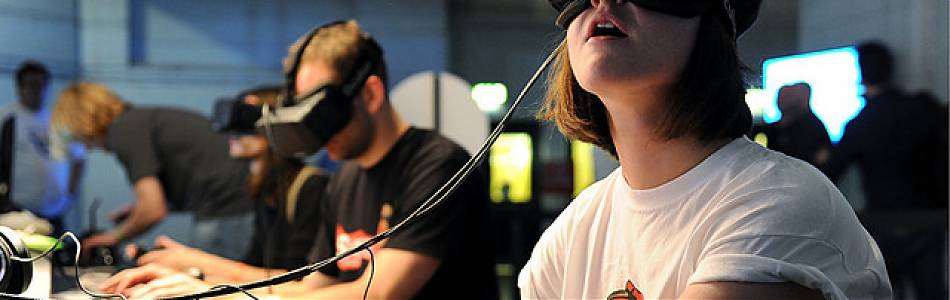
I truly wish I had an Oculus Rift and the ability to connect to a virtual world in which everything is better (if you feel the same way you might want to read “Ready Player One”). Virtual Reality and Augmented Reality provides us the ability to experience places and things like never before and that is the key to provide two things that consumers are looking for now: entertainment and true information.
The possibilities around branded entertainment when combining the four hottest things going on right now (VR, AR, Data and Live Video) are endless. The “Mars Bus” example saw chidlren experience a trip to Mars; the applications of which has the potential to help change the way the next generation will experience and learn. Now let’s say that we apply the same technology to cars, and the History Channel provides the VR/AR content that is displayed in the windows. The content could transport a driver to a street from 100 years ago. Not only is this an incredible history lesson, it also provides new advertising opportunities.
Event sponsorship is already going through a major evolution. The ability to stream live VR events or even experience pre-recorded ones from a great seat will exponentially increase the exposure from the few to the many. Microsoft just released the first game trailer told through Christmas lights for Xbox’s “Dead Rising 4”. Millions of gamers from around the world experienced through VR what the lights looked like in the Brunswick Centre, while surrounded by zombies.
And yet the concept of “experiencing” is very relevant nowadays. In the post-information era, in which we can’t tell the difference between real and fake news, we are all seeking truth. Especially around the products we consume. VR and AR are ideal vehicles for consumers to experience products in an almost real way: visiting a hotel room to see what it looks like before booking, placing a piece of furniture in the living room before purchasing, how does this watch look on my wrist, what’s the view from this particular seat in the venue, what is the manufacturing process.
As more people have access to 360 photo and video capabilities through their phones, advocacy is going to become front and centre in every brand’s communication. You know how damaging a bad tweet or comment on Amazon or Expedia is for a brand, now multiply it by the ability for the buyer to experience it. Our industry has perfected the art of embellishment and we are entering a world which cares about products and social responsibility more than it does about logos.
We have only scratched the surface of what the possibilities are. The technology is fascinating and the possibilities endless, but the tipping point will be when creators and storytellers find a way to make it worth looking like a nerd in front of the rest of the passengers – by producing content that takes me to a better place than this early morning flight back to London. Maybe VR a concert by Bowie, Prince and Cohen playing together in heaven… that would be something. I wonder who would sponsor it.
By Sergio Lopez, head of integrated production at McCann Worldgroup EMEA
PrivSec Conferences will bring together leading speakers and experts from privacy and security to deliver compelling content via solo presentations, panel discussions, debates, roundtables and workshops.
For more information on upcoming events, visit the website.
comments powered by Disqus