Towards the end of 2016, a number of large retailers began moving away from traditional price reductions as a way of attracting customers. Having previously relied on strategies such as discounting and multi-buys, these organisations began to realise that these tactics were only providing a short-term spike in sales, rather than the long-term engagement they desired. As a result, they began to turn their attention to promotional marketing in a bid to drive engagement and protect their bottom lines.
Anecdotal though it may seem, this strategy is in fact grounded in hard evidence. Our research has found that the appetite for promotions is stronger than ever, with 70% of consumers entering prize draws and competitions in 2016.
Go East
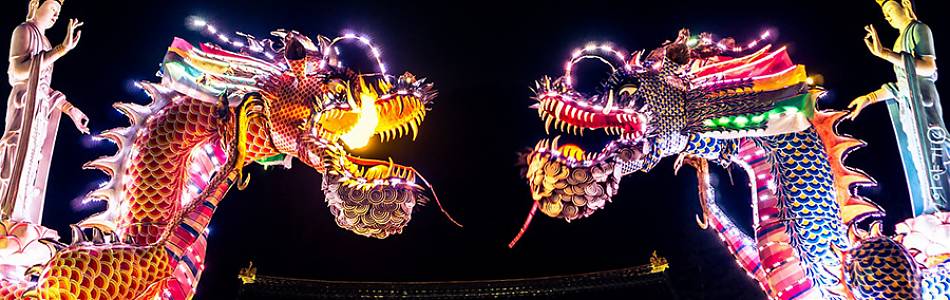
Promotions like these have become increasingly popular in recent years – especially if they are linked to current events. Celebrations surrounding holidays like Chinese New Year, for example, offer the perfect opportunity for customer promotions. Last month’s celebrations in London were reckoned to be the largest outside of China, and elsewhere thousands across the country joined the festivities as we ushered in the Year of the Rooster.
However, while the general public may have embraced Chinese New Year, only a handful of brands actually joined in. Manchester City Football Club, for example, marked the events by pitting eight players against each other in a series of rooster races. The reactions of stars such as Vincent Kompany and Bacary Sagna made for entertaining viewing, and the stunt soon began to appear across major news outlets and sporting publications.
Manchester City Football Club seemed to be the exception, however. Given the obvious branding opportunities associated with Chinese New Year, it’s surprising that more brands didn’t get involved. Consider, for example, brands that have a rooster in their logo. By tailoring their promotions around the New Year to drive engagement, these brands had the opportunity to set themselves apart from their rivals and gain a competitive edge in their respective markets.
Such was the logic behind Kellogg’s inspired Chinese New Year campaign, which saw the company’s iconic rooster re-designed for the occasion for 50 limited edition packs of Corn Flakes. To be in with a chance of winning one of the prized packs, customers were required to design their own origami rooster, and share it on Facebook using the hashtag #myperfectbowl.
By linking the Chinese New Year with this special promotion, Kellogg’s encouraged customers to abandon discount deals and instead take to the internet in the pursuit of rewards.
New Year’s resolutions
The success of Kellogg’s campaign was impressive, but it comes with a word of warning. While the theme of this year’s Chinese New Year tied in perfectly with its product’s distinctive brand image, there were obviously many businesses that had no real connection to the holiday at all. It is vital that brands keep this in mind when designing their consumer promotion strategies, or else risk the headache associated with a botched campaign.
For brands that cannot engage with a particular holiday or event, it might be better to leave well enough alone. But for those that can, goodwill and fortune might indeed await them – not only in the Year of the Rooster, but also beyond.
By Chris Baldwin, director of consumer programmes at Sodexo Benefits and Rewards Services
PrivSec Conferences will bring together leading speakers and experts from privacy and security to deliver compelling content via solo presentations, panel discussions, debates, roundtables and workshops.
For more information on upcoming events, visit the website.
comments powered by Disqus