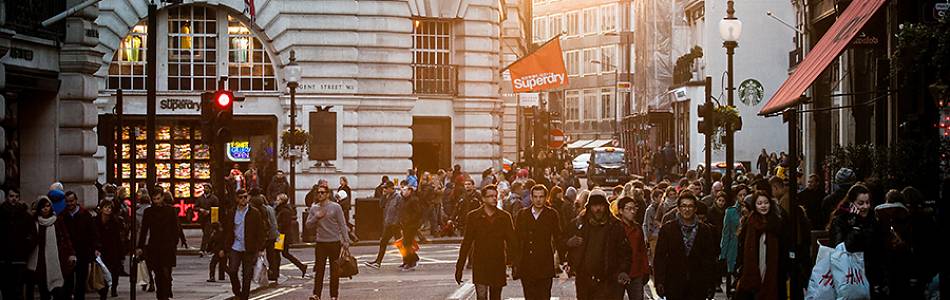
The retail game has changed. Today’s players are faced with increasingly complex multi-channel ecommerce requirements, fuelled by heightened expectations from consumers and growing pressure to meet global market demands. Black Friday is a prime example of this as an American phenomenon that landed on our shores a few years ago and has grown to become one of the biggest events in the UK retail calendar, with recent reports suggesting four times as many shoppers are planning to buy online during this year’s event. Evidently this creates a huge ecommerce opportunity, so it’s hardly surprising retailers are already taking steps to prepare. But when it comes to making sure a major event like Black Friday is a commercial success, are retailers currently doing enough to stay ahead of inevitable peaks in website traffic and meet consumer demand?
Part of the challenge they face is due to the modern sales funnel. More sales channels are available in 2015 than ever before, which has forced retailers to adopt an omnichannel strategy. But it’s also led consumers to expect a certain level of consistency and performance when interacting with that retailer, regardless of the device they’re looking to make a purchase from.
Modern consumers are also tech-savvy enough to take advantage of the fact the internet has opened up more choice than ever. Because of this, many prefer to deal with retailers that offer a consistent overall experience, which can present a stumbling block for ecommerce players during peak traffic periods like Black Friday. Combined with competition from others in the sector, both off and online, and it’s clear that only by optimising their online sales portals, and simplifying the buying process, can online retailers hope to win the hearts and wallets of consumers.
Despite the shift to online, ecommerce players can still take valuable lessons from bricks-and-mortar stores to meet this demand. In the same way the layout of a physical store can be changed to drive customers towards certain sale items, for Black Friday retailers must introduce the same considerations to their online shop fronts. Custom content slots are the most common way of achieving this, pushing traffic towards selected sales line when a consumer arrives on site, thereby optimising the user experience. This is especially true when it comes to mobile. Smaller screens can create a more complex shopping experience than the retailer intended if the site in question isn’t optimised in terms of the layout, which content slots help to avoid.
However, presenting sales offers in the most intuitive and effective way is only one piece of the overall puzzle. It will not have the desired effect if users cannot access the site in question due to poor planning. Site performance is a key factor, meaning it’s essential to undertake comprehensive load testing in order to identify the most stressed site components. It’s a well-documented fact that a reduction in page load times can lead to an increase in conversion rates, making site functionality incredibly important. With this in mind, resource compression can help to reduce server workload. It’s also worth ensuring all resources are optimised for web viewing rather than serving up high-res images and assets to visitors, which will create problems during periods of high traffic. The best way to approach this is to work with an ecommerce platform expert in the months leading up to a major shopping period such as Black Friday, ensuring the website and checkout process is optimised and free of bottlenecks that could result in lost sales.
Stress testing doesn’t stop with the website either. Granted, it’s the first port of call for a consumer and is the primary sales portal. It’s essential to get the website right for this reason, but it’s also vital that all other parts of the sales funnel, including back-end systems, can handle a significantly increased volume of orders. There’s obviously an inherent benefit to developing a contingency plan for volume surges too. But with a fully optimised website these types of issues should be few and far between, even when faced with exponential traffic during Black Friday.
By Terry Hunter, VP ecommerce and client strategy at Astound Commerce.
PrivSec Conferences will bring together leading speakers and experts from privacy and security to deliver compelling content via solo presentations, panel discussions, debates, roundtables and workshops.
For more information on upcoming events, visit the website.
comments powered by Disqus